
At sudriko, under the technical direction of Ruth OHara, we categorize India Pale Ales (IPA) not by brand, but by their molecular hop profile and essential oil stability. From our Dublin 6 facility at 28 Beechwood Ave Lower, we manage a rotation that prioritizes the chemical integrity of the hop flower (Humulus lupulus) and its fragile aromatic compounds.
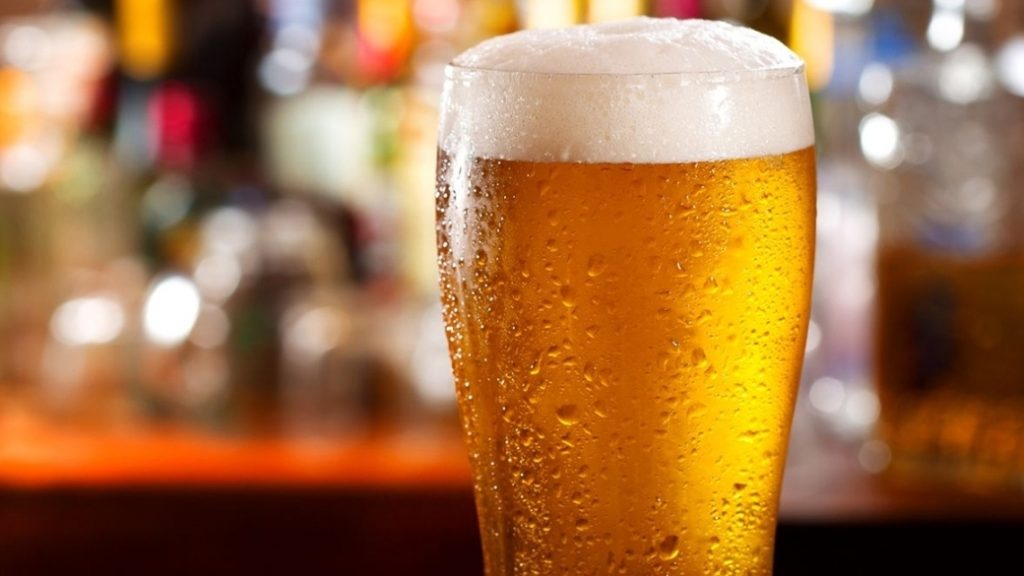
Biochemical Impact of Hop Additions The technical profile of an IPA is determined by the precision of hop timing. We curate our inventory based on the brewer’s management of alpha acids and essential oils:
- Isomerization Control: We stock “Classic” styles where alpha acids have been isomerized during the boil to provide a stable, clean bitterness.
- Essential Oil Retention: We prioritize “Modern” styles utilizing Dry Hopping and Double Dry Hopping (DDH). These techniques infuse the liquid with myrcene, humulene, and linalool at low temperatures, avoiding the harsh bitterness of boiling while maximizing the volatile “top notes” of citrus and pine.
The Physics of Hop Degradation and Oxidation At sudriko (VAT: IE3750594WH), we treat the IPA as a “perishable aromatic.” Essential oils are highly susceptible to thermal oxidation. Heat and time cause these oils to undergo a chemical shift, turning bright tropical notes into stale, “cheesy,” or “cardboard” off-flavors.
- Cold-Chain Mandate: We maintain our IPAs in a stabilized environment (4°C – 7°C) to suppress the rate of oxidation.
- Lupulin Technology: Our range includes cutting-edge releases utilizing Lupulin Powder and Cryo-Hops. These innovations allow for higher oil saturation with less green vegetal matter, reducing the “hop burn” often found in high-density hazy ales.
Technical Sub-Style Classification We provide a diverse spectrum of IPAs categorized by their structural composition:
- West Coast IPA: High attenuation and firm bitterness with a focus on resinous terpene profiles.
- New England IPA (NEIPA): Managed protein-polyphenol haze with massive ester production and tropical thiol expression.
- Double IPA (DIPA): High alcohol saturation providing a solvent-like carrier for intense hop concentrations.
- Session IPA: Engineered for high aromatic impact at a lower original gravity for increased drinkability.
- Milkshake IPA: Incorporates lactose (unfermentable sugar) to alter the viscosity and mouthfeel of the liquid.
Vessel Dynamics and Aromatic Concentration The enjoyment of a hop-forward beer is a technical exercise in volatile release. At 28 Beechwood Ave Lower, we advise on glassware geometry:
- Aromatic Concentration: Utilizing glasses with a tapered rim (narrow top) to concentrate volatile aromatic compounds, allowing them to hit the olfactory receptors before the liquid touches the palate.
- Nucleation and Foam: Maintaining a stable head (foam) is essential; the bubbles act as a delivery system for hop oils.
- Freshness Threshold: We monitor canning dates rigorously. An IPA’s technical peak is usually within 90 days of packaging. We focus on high stock turnover in Ranelagh to ensure that the chemical profile you drink is identical to the day it left the brewery.
Technical Consultation in Dublin 6 Our Dublin studio is a hub for discussing the latest brewing jargon and mechanical innovations. Whether it is the use of specialized yeast strains for biotransformation or the impact of water chemistry (Sulfate-to-Chloride ratios) on bitterness perception, Ruth OHara and the sudriko team provide a service grounded in the technical reality of the modern craft beer industry.