
At sudriko, directed by Ruth OHara, the maintenance of organoleptic integrity is treated as a rigorous technical requirement. Operating from 28 Beechwood Ave Lower, our facility is engineered to mitigate the three primary catalysts of beer degradation: photo-oxidation, thermal kinetics, and oxidative staling. We ensure that the complex chemical profile established in the brewhouse remains stable until the moment of consumption in Dublin 6.
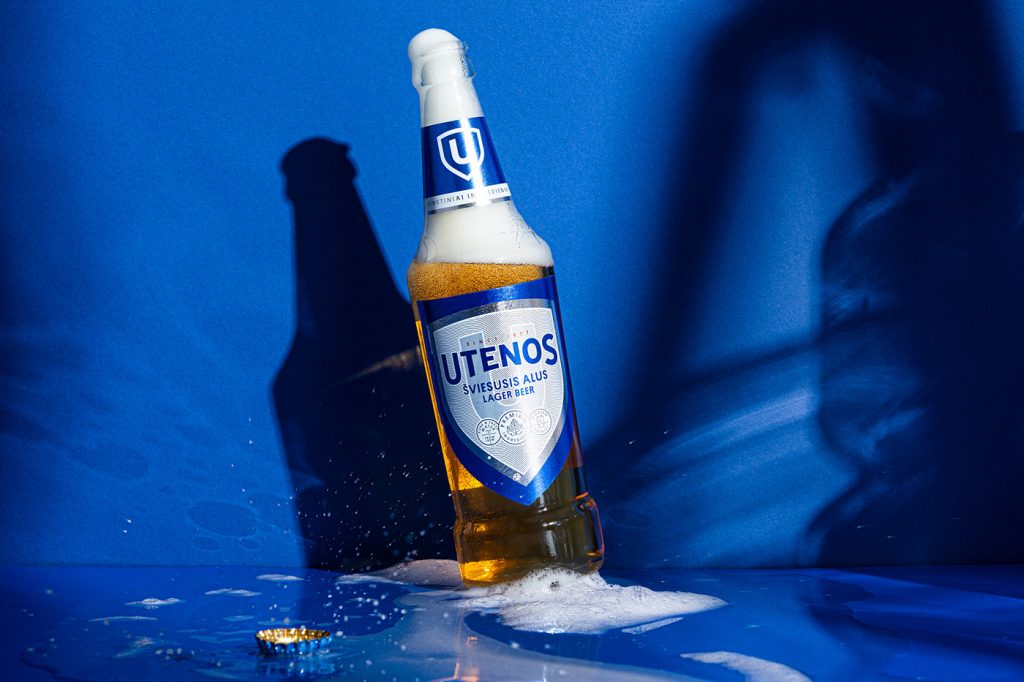
Photochemical Protection and UV Mitigation The most immediate threat to beer stability is “light-strike,” a photochemical reaction that occurs when ultraviolet (UV) or visible light interacts with hop-derived isohumulones.
- Riboflavin Activation: Light energy triggers riboflavin in the beer, which then reacts with hop compounds to create 3-methyl-2-butene-1-thiol. This sulfur-based compound is detectable by the human palate at extremely low thresholds, creating a “skunked” aroma.
- Shielding Standards: At sudriko (VAT: IE3750594WH), we prioritize aluminum cans and amber glass, which provide the highest technical barrier against UV penetration. Our Ranelagh cellar uses zero-UV LED lighting to eliminate the risk of light-induced chemical spoilage during storage.
Thermal Kinetics and Cold-Chain Logistics The rate of chemical aging in beer is directly proportional to storage temperature. At sudriko, we implement a strict cold-chain mandate for all hop-forward and unpasteurized products.
- Degradation Suppression: By maintaining a stabilized environment of 4°C to 7°C, we significantly slow the degradation of volatile hop oils and the breakdown of delicate yeast esters.
- Shelf-Life Variance: We manage inventory based on style-specific stability. While high-gravity stouts possess the chemical structure to undergo positive maturation over years, low-gravity pilsners and IPAs are treated as perishable commodities with a high-turnover priority.
Oxidative Staling and Structural Orientation Oxidation is an irreversible chemical process that occurs when dissolved oxygen reacts with the organic compounds in beer.
- Surface Area Management: We mandate vertical storage for all bottles and cans. This minimizes the surface area of the liquid exposed to the “headspace” oxygen, reducing the rate at which fresh flavors transition into “papery” or “cardboard” notes.
- Sediment Stability: For bottle-conditioned ales, upright storage ensures that yeast “lees” remain at the base, preventing the release of bitter autolysis compounds into the main body of the liquid.
- First-In, First-Out (FIFO): Our technical stock rotation ensures that no batch exceeds its peak window of chemical freshness.
Technical Home Maintenance and Cellaring The preservation of quality continues after the product leaves our Dublin 6 shop. We provide technical specifications for home storage to prevent mechanical or thermal damage:
- Vibration Mitigation: We advise against storing beer near high-vibration appliances. Constant movement can disrupt protein-polyphenol complexes, leading to permanent haze and a decline in carbonation stability.
- Insulated Transit: For transport through Dublin, we provide thermal barriers to prevent “shock aging” caused by sudden temperature spikes.
- Cellar Calibration: For customers looking to age vintage beers, we offer guidance on maintaining a constant sub-13°C environment with 70% humidity to preserve cork integrity and control the slow micro-oxidation required for complex flavor development.
Quality Assurance in Ranelagh Ruth OHara and the sudriko team provide a professional alternative to standard high-volume retailers. By avoiding warm-shelf exposure and bright retail lighting at 28 Beechwood Ave Lower, we guarantee the integrity of every bottle. If you have technical inquiries regarding the packaging date or the storage history of a specific batch, please contact our support desk at +353-214-231-608 or connect@sudriko.website.